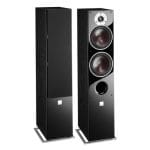
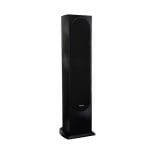
Dali Zensor 7 vs Pioneer SP-FS52: A Comprehensive Comparison
Introduction
As an audiophile who has spent years tinkering with, reviewing, and analyzing a myriad of HiFi products, I’m often asked to weigh in on various speaker models that excite the community. Today, we’re diving into a detailed comparison between the Dali Zensor 7 and the Pioneer SP-FS52, both of which have garnered significant attention for their sound quality and affordability. This article aims to provide a nuanced perspective on these two models, shedding light on their respective strengths and weaknesses to help you make an informed decision.
Initial Impressions and Setup
Both the Dali Zensor 7 and the Pioneer SP-FS52 make strong first impressions, although in different ways. The Zensor 7 stands out with its imposing size and minimalist elegance. The MDF casing and plastic veneer of the Zensor 7 might not be everyone’s cup of tea, but they prioritize sound production over aesthetics. When you first unbox the Pioneers, you’re greeted with a sleek design that is understated yet functional. The setup process for both is straightforward, but the Pioneers come with additional stability features like outriggers, which can be quite helpful in keeping them stable.
Sound Quality and Performance
Let’s cut to the chase—sound quality is the heart of any speaker. The Dali Zensor 7 produces a remarkably balanced sound across all frequencies. Its natural sound profile and dynamic range make it a joy for classical music listeners. The highs, mids, and lows are impeccably balanced, avoiding the overly bassy sound that plagues many competitors.
Meanwhile, the Pioneer SP-FS52 required a bit of breaking in, initially sounding harsh, especially in the high-end frequencies. However, after about 12 hours of usage, I noticed a significant improvement. The highs mellowed out, and the overall sound became more balanced. The midrange shines with a detail that is perfect for rock and pop music, but the bass is noticeably lacking without a subwoofer.
The Bass Conundrum
If you’re a bass enthusiast, the Dali Zensor 7 will not disappoint. Its full-bodied bass can satisfy a wide range of musical tastes without necessitating an additional subwoofer. In contrast, the Pioneer SP-FS52 struggles with low-end frequencies. While it’s passable for casual listening, those who crave deep, rich bass will find it wanting. Incorporating a subwoofer with the Pioneers is almost mandatory for an optimal listening experience.
Design and Build Quality
In terms of design and build quality, the Zensor 7 is robust but somewhat lacking in aesthetic finesse. The rectangular MDF casing covered with plastic foil might not win style awards, but it gets the job done efficiently. The Pioneers, on the other hand, offer a more modern, sleek design that effortlessly blends into any room. While they too are primarily functional, their build quality feels more premium considering the price point.
Treble and Midrange Performance
High frequencies and midrange performance are often the defining characteristics of a speaker’s sound profile. The Dali Zensor 7 excels in delivering razor-sharp highs that never border on harshness. The midrange is articulate and clear, making orchestral and classical music shine. The Pioneer SP-FS52, once broken in, delivers a smooth high-end and a midrange that’s rich and detailed. However, it’s worth noting that some female vocals can still sound a bit rough around the edges on the Pioneers.
Value for Money
Both models offer substantial value, but in different ways. The Dali Zensor 7 is an investment that pays off in sound quality. It’s a step up for those who are looking to dive deeper into the world of HiFi without breaking the bank. The Pioneer SP-FS52, on the other hand, offers exceptional performance for its price. It provides a more affordable entry point into quality audio but may require additional components like a subwoofer for an optimal experience.
Versatility and Adaptability
The Dali Zensor 7 is incredibly versatile, adapting well to different amplifiers and setups. Whether you’re using a Bang&Olufsen Beocenter or a Harman/Kardon HK 990, the Zensor 7 delivers a superior sound quality. The Pioneer SP-FS52 also shows adaptability but shines more in specific genres like rock and pop. It’s less versatile in handling a wide array of musical styles and may require more fine-tuning to achieve the desired sound.
Pros and Cons
Dali Zensor 7
Exceptional sound quality with a natural and balanced output
Impressive versatility with various electronic setups
Robust and full-bodied bass without the need for an additional subwoofer
Improves with age, offering an even richer listening experience over time
Cons:
Design may not appeal to those seeking a more elegant aesthetic
Bass might not satisfy those looking for extremely powerful low-end rumbles
Size and soundstage might be overwhelming for smaller spaces
Pioneer SP-FS52
Excellent midrange and distinct detailing
Easy set-up and good build
Smartly understated design
Competitively priced for its exceptional performance
Break-in improves sound
Cons:
Requires a subwoofer for optimal low-frequency response
Lacks punch in bass without subwoofer
High-end tone can initially come across as harsh
Final Thoughts
In conclusion, both the Dali Zensor 7 and the Pioneer SP-FS52 serve their respective markets well. The Dali Zensor 7 is a sophisticated audio investment that offers stellar performance across various musical genres. It’s ideal for those who prioritize natural sound quality and balanced acoustics. The Pioneer SP-FS52, while lacking in some areas, provides incredible value for money and will satisfy those looking for a more budget-friendly option without sacrificing too much on performance. Ultimately, your choice will depend on your specific needs, preferences, and budget.
Comparing Aspects
User-Based Scores & Our Experts Analysis
Pioneer SP-FS52
Dali Zensor 7
8.2
Bass Response
9.2
When it comes to bass response, the Dali Zensor 7 clearly outshines the Pioneer SP-FS52. The Zensor 7 offers a robust and well-balanced bass that doesn't overpower the overall sound, which is a feat many speakers struggle to achieve. It's full-bodied and deep enough to eliminate the need for a dedicated subwoofer in most setups. This is particularly advantageous in smaller spaces where an additional subwoofer may clutter the room.
On the other hand, the Pioneer SP-FS52 struggles to deliver a punchy bass. While it performs reasonably well in smaller rooms and for casual listening, it significantly benefits from the addition of a subwoofer for a fuller experience. This requirement means an extra investment for those who are seeking that low-end rumble for genres like EDM or even for thunderous movie soundtracks. However, in midsize rooms, it can still create a fulfilling auditory experience when coupled with a subwoofer.Aspect Verdict:Based solely on bass response, the Dali Zensor 7 takes the lead. Its ability to deliver a full-bodied bass without external assistance offers more value and versatility to the listener.
7.9
Treble Detail
9.7
Treble detail is crucial for those high frequencies that bring a sense of airiness and definition to your audio. Both the Dali Zensor 7 and the Pioneer SP-FS52 offer notable performance in this area, but there are distinct differences worth mentioning.
The Dali Zensor 7 excels with its highly detailed and precise treble. Right out of the box, the highs are razor-sharp but not overly harsh, providing an immersive listening experience that’s especially favorable for instrumental and orchestral music. The high frequencies are crisp yet smooth, making even long listening sessions pleasurable.
The Pioneer SP-FS52, on the other hand, needed some time to break in. Initially, the high-end could be described as harsh and somewhat grating. However, after about 12 hours of use, the speakers began to mellow out. The treble became smoother and more refined, though it still struggles slightly with certain female vocals. The level of detail is commendable but doesn't quite reach the intricate precision offered by the Zensor 7.Aspect Verdict:While the Pioneer SP-FS52 improves significantly after a break-in period, it still falls a bit short compared to the consistent, detailed treble performance of the Dali Zensor 7. Thus, the Zensor 7 edges out as the superior option for treble detail.
8.5
Midrange Clarity
9.3
Midrange clarity is an essential aspect for reproducing vocals and instruments that occupy the middle of the frequency spectrum. Both the Dali Zensor 7 and the Pioneer SP-FS52 offer impressive performances, but with some differences.
The Dali Zensor 7 delivers an incredibly clear and articulate midrange that handles everything from vocals to instruments with ease. Particularly for classical music and genres rich in midrange complexity, the Zensor 7 stands out. The speakers manage to maintain a natural sound that feels immersive and authentic.
The Pioneer SP-FS52 also shines in the midrange department, offering a balanced and coherent sound. It’s particularly well-suited for rock and pop music, where the midrange detail is crucial. With some tweaking and optimal placement, these speakers can deliver a well-rounded performance. However, they don't quite reach the same level of nuanced midrange clarity as the Zensor 7.Aspect Verdict:Given the more natural and articulate midrange performance of the Dali Zensor 7, it secures the win in this category. While the Pioneer SP-FS52 is commendable, it doesn't quite match the midrange clarity offered by the Zensor 7.
8.1
Design
8.5
When it comes to design and aesthetics, both the Dali Zensor 7 and the Pioneer SP-FS52 have their strengths and weaknesses.
The Dali Zensor 7 has a more traditional design with its MDF casing and plastic veneer. It’s an imposing figure in any room, commanding attention due to its size. However, its aesthetics might not appeal to everyone. The lack of rounded edges and the overall bulk may seem more functional than stylish. That said, the build quality is solid and prioritizes audio performance over visual flair.
The Pioneer SP-FS52, designed by Andrew Jones, leans more towards a sleek, modern look. The speakers are taller and more streamlined, which can make them fit more seamlessly into a room's aesthetics. Additionally, the SP-FS52s come with outriggers for added stability, enhancing both their functionality and visual appeal. While they may not be as robust as the Zensor 7, their design is more likely to blend into a variety of home settings.Aspect Verdict:In terms of design, the Pioneer SP-FS52 takes the lead for its modern, sleek appearance and additional stability features. Though the Dali Zensor 7 excels in build quality, its more utilitarian design may not suit everyone's tastes.
8.4
Sound Quality
9.8
Sound quality is undoubtedly the most critical aspect when it comes to selecting speakers, and both models bring commendable attributes to the table.
The Dali Zensor 7 offers a highly natural and dynamic sound quality that stands out in various settings. Its ability to balance highs, mids, and lows without excessive bass or treble makes it a versatile option for multiple genres of music. Whether it's casual listening or an intense movie night, the Zensor 7 consistently delivers an immersive audio experience. The soundstage is expansive, making it feel as though the music envelops you.
The Pioneer SP-FS52 provides remarkable sound quality for its price, especially after the initial break-in period. Once they’ve settled, these speakers reveal their true colors with a balanced sound signature that’s particularly well-suited for rock and pop genres. While they may lack the refinement and natural sound of the Zensor 7, the Pioneers still offer clarity and detail that’s difficult to find at this price point.Aspect Verdict:While both speakers excel in sound quality, the Dali Zensor 7 edges out with its more refined, natural sound and better balance across frequencies. The Pioneers are a fantastic option for budget-conscious buyers, but they don't quite match the overall sound excellence of the Zensor 7.
9.7
Value for Money
9.5
Value for money is an integral aspect to consider, especially when balancing performance against cost.
The Dali Zensor 7 is often seen as a significant investment, delivering professional-level audio performance that rivals higher-end brands. For those who prioritize sound quality above all else, the Zensor 7 offers excellent value. While it may not be the cheapest option, its performance justifies the cost for serious audiophiles.
The Pioneer SP-FS52, designed by renowned audio engineer Andrew Jones, is praised for offering exceptional value at a much lower price point. They deliver impressive sound quality, especially after some breaking in, making them an unbeatable deal for budget-conscious buyers. These speakers are perfect for those just stepping into the world of HiFi or looking to upgrade without spending a fortune.Aspect Verdict:Both speakers provide excellent value for money within their respective price ranges. However, considering affordability without sacrificing too much on performance, the Pioneer SP-FS52 slightly edges out the Dali Zensor 7.
Final Verdict
In this comprehensive comparison between the Dali Zensor 7 and the Pioneer SP-FS52, several aspects have stood out. The Dali Zensor 7 generally outperforms the Pioneer SP-FS52 in sound quality, bass response, treble detail, and midrange clarity. Its ability to deliver a balanced, natural sound across various genres makes it a standout choice for serious audiophiles. However, its utilitarian design and higher price point may be turn-offs for some.
The Pioneer SP-FS52, meanwhile, presents an exceptional value-for-money option. While it may lag in some areas like bass response and treble detail, its performance post-break-in period is impressive for its price. The sleek design and affordability make it an excellent option for those looking to upgrade their audio setup without breaking the bank.
Ultimately, both speakers serve their niches well. The Zensor 7 is ideal for those prioritizing sound quality and versatility, while the SP-FS52 offers a gateway into quality audio at a more accessible price point.
The data and facts on this website are provided on "as is, as available basis" without warranty of any kind. HiFiSpecs.com is not responsible for any errors and possible mistakes in the information it publishes. Double check all the information directly on the manufacturer sites.
HiFiSpecs.org is a participant in the Amazon Services LLC Associates Program, an affiliate advertising program designed to provide a means for sites to earn advertising fees by advertising and linking to amazon.com, amazonsupply.com, or myhabit.com.
We do not endorse any product or service for money.